|
Valdosta Home Inspector |
||||||||||||
| Types of Valdosta Home Construction |
Danger in Electrical Panels | Preparing AC for Summer | Forthcoming | Forthcoming | Forthcoming | |||||||
|
Call 229.469.1183 Text 423.440.6910
|
||||||||||||
| Valdosta area Homebuyers and Investors: Call today. Lowest fee and Money-Back Guarantee. Experienced Certified Professional Independent Inspector |
||||||||||||
|
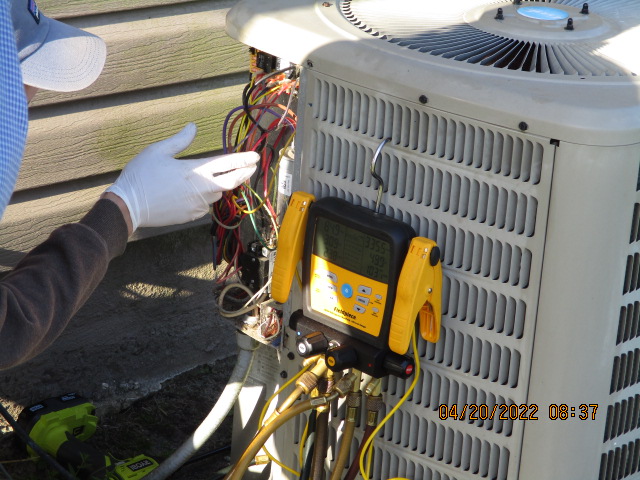
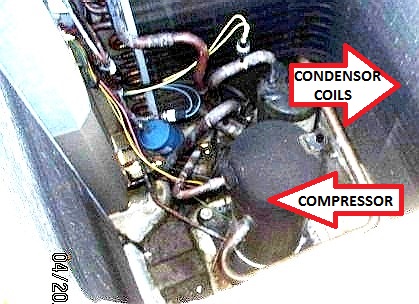
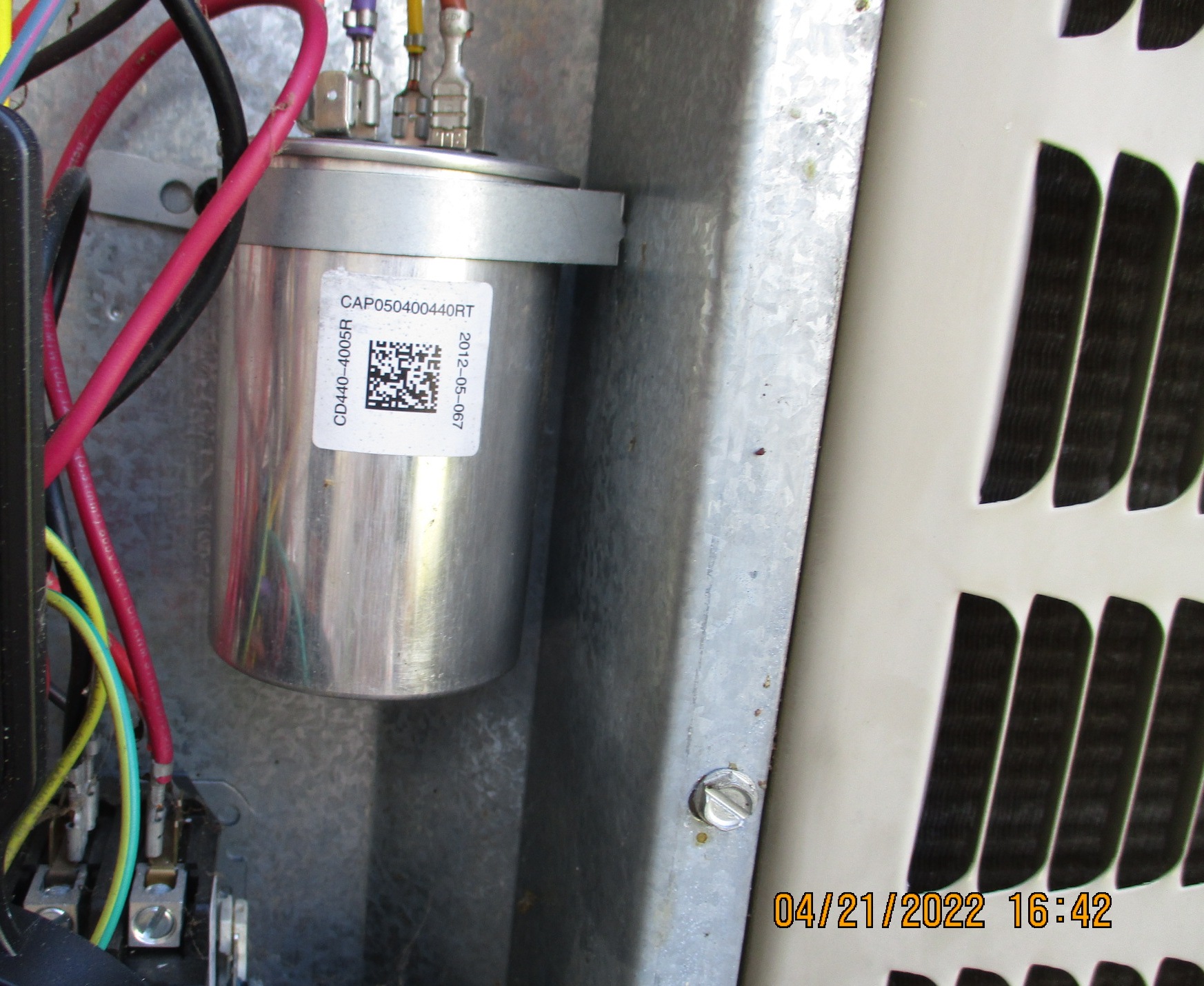
ON THE OUTSIDE "Condenser Unit" Other minor but important parts are: Electrical Contactor, Capacitor(s), Dryer filter
1. Ensure unit is OFF at the thermostat. Use safety glasses. You can inspect the condenser and compressor by viewing downward between the top fan blades. They are more visible at night with a flashlight. Look for loose screws at top (fan mounts). Look for oily leaks. Look for anything that could block air flow, such as clogged fins and coils from vegetation and debris. Note any rust or corrosion on electrical parts. Note any rodent or animal debris or nests. 2. Inspect the fins and grill on the exterior of the unit. It should be free of dirt, grass, vegetation. 3. Inspect the copper tubing. Two lines run between the outside unit, through the house wall, and to the inside unit (air handler/evaporator). The two copper lines should be free of kinks or dents. The larger copper line should be fully insulated. Tape or replace broken insulation. 5. Drip Line. You should see a pipe, normally a white PVC pipe, popping out of the lower wall by the outside AC unit. This is the condensation drip pipe. This pipe can become clogged and that could cause overflow on the inside drip pan. Take a Dry-Wet vac and suck the air-water-debris out of this pipe. This should eliminate any problem for the upcoming summer months. 6. Inspect all electrical wiring running to the outside unit. If anything is out of order call a professional AC tech. This capacitor is critical to the smooth and safe running of the compressor and fan motor. An AC tech can test its charge and, if weak, can replace it before the system emits strange sounds, fails to start, or damage occurs to your motors. 7. Inspect the pad. It should be clean, solid and level. AC performance may be affected if unleveled. Consider putting a stone border around your pad. This will help reduce lawnmower debris from entering the unit. Avoid cutting grass around the unit when the fan is running.
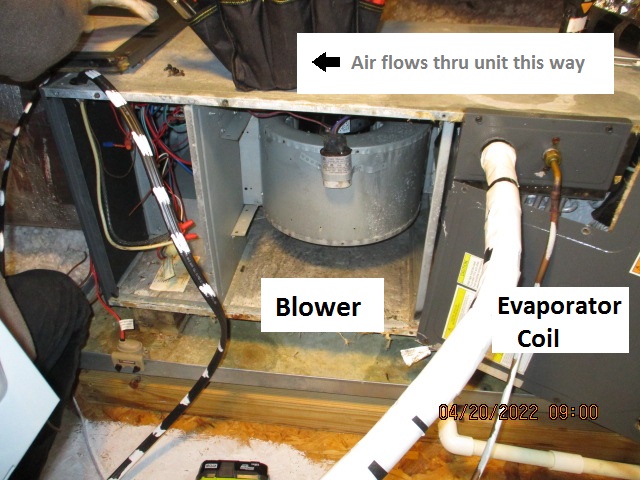
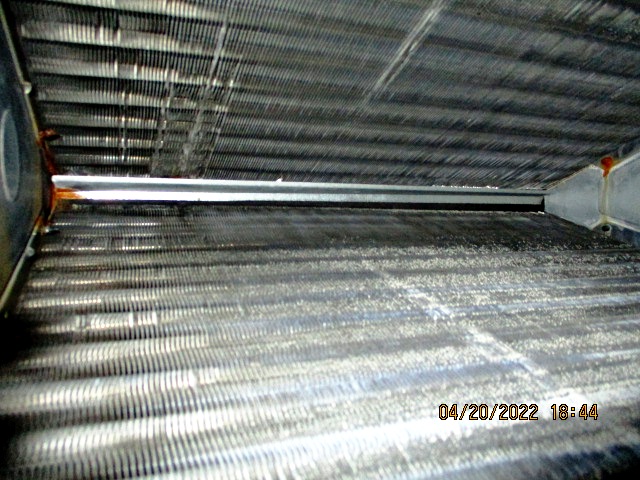
The AC system’s inside unit is called the Air Handler. Its main components are: 1. The Air Handler may have an easy-to-access “access panel” that can be opened to inspect the evaporator coils and clean them. Typically, however, there will be panel covers that are screwed to the main cabinet. This may be opened by a professional if you are not comfortable and knowledgeable about this. Clean tips by Carrier are here.
3. Return Air Filter. Alternatively, if the air filter is not incorporated into the Air Handler, then it is installed in the wall near the air handler or in the ceiling in a hallway. There may be two of these. In any case, keeping the air filter(s) changed and clean will enhance the quality of air in your home, reduce mold….and reduce dust build-up on your Evaporator Coil unit. If too much dust builds up on that coil, the air flow will be reduced and the coil may frost or freeze. This will adversely impact cooling functionality. The typical advice is to buy the best filter you can afford, however the more dense (expensive) the filter, the less air flow in the system. Low air flow may cause the evaporator coils to freeze, and additionally low air flow decreases the overall cycling frequency of cold air to the house. With this in mind, a low cost, less dense filter is more friendly and efficient for your Ac system.
|
||||||||||||